Markets remain resilient despite global uncertainty
Global markets weathered renewed geopolitical tensions, while central banks kept interest rates on hold.
Markets absorb fresh shocks.
British share prices hit a new record in July, with the FTSE 100 climbing to an all-time high, supported by strong corporate earnings and gains in energy stocks as oil prices rose. The index reached 10,951 points, beating its previous record of 10,934 set in February this year.
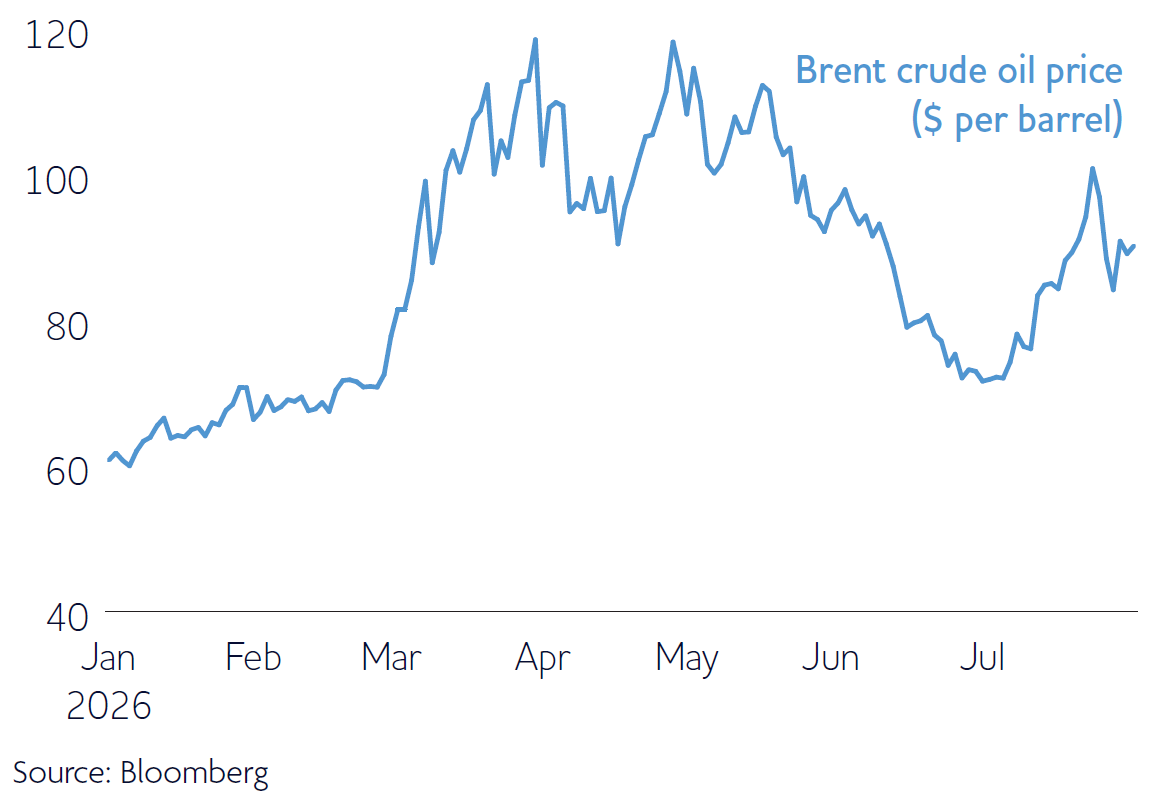
Global stock markets were more mixed. Technology shares came under pressure amid concerns about the durability of the AI spending boom and rising competition from China. Meanwhile, Brent crude oil briefly climbed to $100 a barrel after fresh US strikes against Iran before falling back. UK gas prices also reached their highest level in more than a month.
Major central banks kept interest rates unchanged but signalled they could tighten policy again if renewed conflict pushes inflation higher. Meanwhile, Donald Trump imposed new tariffs of between 10% and 12.5% on imports from 60 countries, including the UK, China, Mexico and the EU, over concerns about forced labour.
Fed holds rates.
The US Federal Reserve (Fed) kept interest rates on hold for a fifth consecutive meeting at 3.5% to 3.75%, despite continued calls from President Trump for rate cuts. US inflation cooled more than expected to 3.5% in June from 4.2% in May, helped by lower energy prices following a temporary easing in the Iran conflict. However, renewed hostilities could add fresh inflationary pressure.
US employers added 57,000 jobs in June, below expectations, although unemployment edged down to 4.2%. The three-month average of around 111,000 new jobs suggests the labour market remains relatively resilient. Consumer confidence also improved as lower fuel prices provided some relief for households.
Burnham becomes PM.
Andy Burnham became Britain's new prime minister after winning the Labour leadership following Keir Starmer's resignation. He has pledged to raise living standards through a 10-year economic plan but faces the challenge of reviving growth while tackling the cost-of-living crisis.
The Bank of England held interest rates at 3.75% for a fifth consecutive meeting but suggested it could raise borrowing costs if the Iran conflict escalates. UK inflation fell to 2.6% in June from 2.8% in May, although economists expect higher energy prices to push inflation back above 3% later this year.
China's growth slows.
China's economy expanded by 4.3% in the second quarter, slowing sharply from 5% in the first quarter and falling below Beijing’s annual target. Consumer price inflation eased in June, while wholesale inflation accelerated. Exports rose 27% year-on-year, supported by continued demand linked to artificial intelligence, helping offset the broader impact of higher energy prices.
The European Central Bank (ECB) left interest rates unchanged at 2.25% after June's increase but indicated another rise in September remains possible. Eurozone inflation eased to 2.8% in June from 3.2% in May. However, with gas storage at its lowest level in at least 15 years, the region remains vulnerable to higher energy prices ahead of winter.
Figure 1: Energy markets remain volatile
Brent crude has experienced sharp swings this year as investors responded to developments in the Middle East.
Download Omnis Market Update (.pdf)
